UK's New Independent Gambling Research Centre Officially Opens Its Doors in May 2026
Written by Parker Russell · May 17, 2026

UK's New Independent Gambling Research Centre Officially Opens Its Doors in May 2026
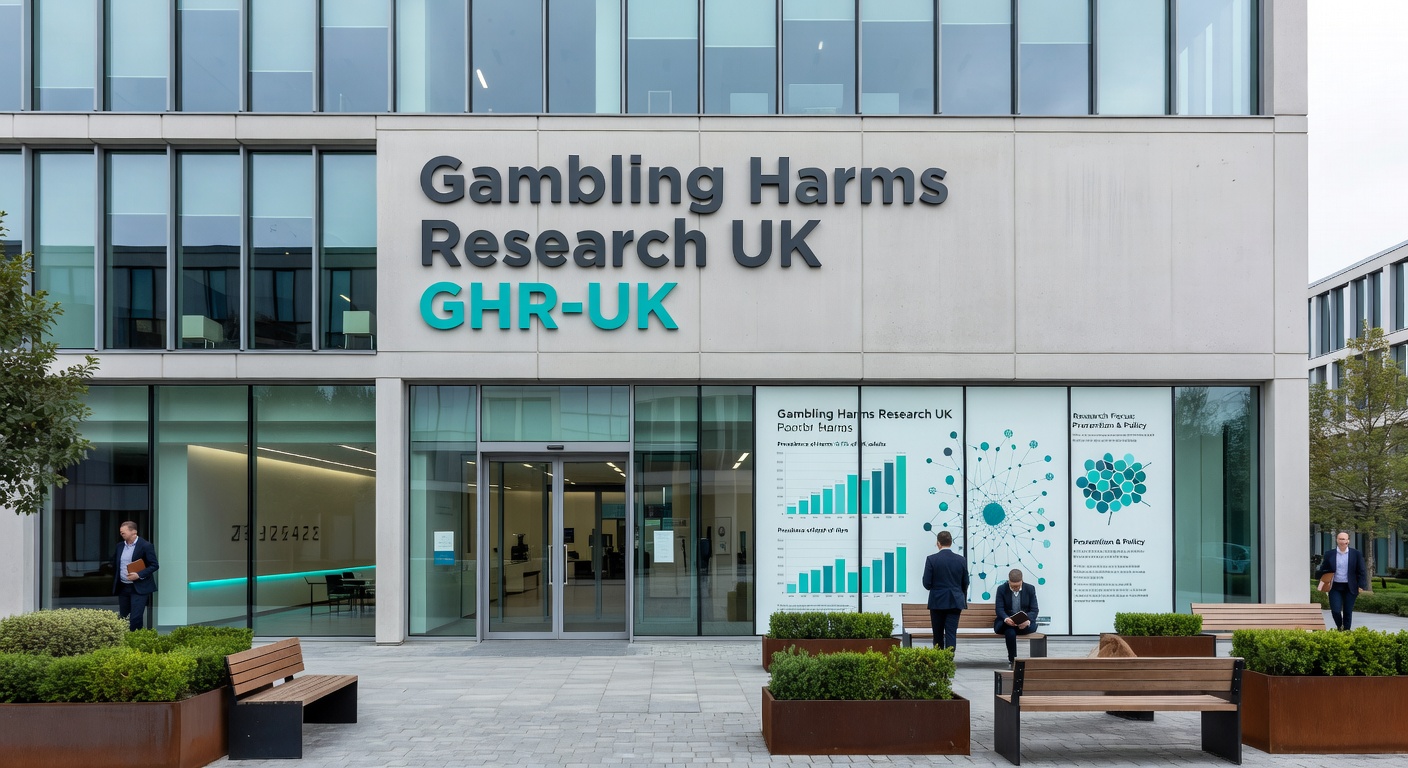
The UK’s largest independent gambling harms research centre, known as the Gambling Harms Research UK Evidence Centre, launched on 14 May 2026, and this development marks a structured step toward building stronger evidence for policy decisions and treatment approaches across the country. Backed by UK Research and Innovation and funded through the government’s Gambling Levy, the centre brings together academic expertise from four leading institutions to focus on data-driven insights that can inform both government strategies and support services for those affected by gambling-related issues.
Structure and Leadership Behind the Initiative
Joint leadership comes from the Universities of Glasgow, Sheffield, Swansea, and King’s College London, which means the project pools resources and knowledge from multiple regions while maintaining a clear separation from any industry influence. Observers note that this setup allows researchers to operate with full independence, a point emphasised during the launch announcements as essential for producing unbiased findings that government bodies, health services, charities, and individuals with direct experience of gambling harms can all draw upon.
People involved in setting up the centre have highlighted how the collaboration extends beyond universities to include regular input from those with lived experience, ensuring the research questions and methods reflect real-world situations rather than remaining purely theoretical. Data from earlier pilot studies already shows how such inclusive approaches can lead to more targeted recommendations for treatment pathways and prevention measures, and the new centre intends to build on that foundation systematically.
Funding Sources and Strategic Aims
Funding flows through the government’s Gambling Levy, which channels resources into independent research rather than industry-led projects, and UK Research and Innovation provides additional oversight to guarantee scientific standards remain high. Researchers at the partner universities explain that the centre’s core objectives centre on generating evidence that directly supports evidence-led gambling policy, improves treatment strategies, and strengthens public health responses to gambling harms across different communities.
Experts have observed that working closely with health bodies and charities creates opportunities for findings to move quickly into practical applications, such as updated guidelines for support services or refined approaches to regulatory frameworks. The centre plans to publish regular reports and host knowledge-sharing events so that policymakers and frontline organisations can access the latest data without delay.
Independence from Industry and Stakeholder Engagement
Independence remains a defining feature, with explicit commitments that no gambling industry funding or influence will shape the research agenda or results. Those who’ve studied similar independent centres in other fields note that this separation helps maintain public trust and allows findings to stand on their own merit when they reach government desks or charity boardrooms. The centre’s governance includes mechanisms for transparent review and external scrutiny to keep this independence intact over time.
Collaboration with people who have lived experience forms another key pillar, and the launch materials describe structured ways for these voices to shape research priorities from the outset. This includes advisory panels and co-design workshops where participants review proposals and interpret emerging data alongside academic teams. Such involvement helps ensure that studies address the most pressing questions facing individuals, families, and support networks across the UK.
Future Plans and Expected Outputs
Over the coming years the centre expects to deliver a series of large-scale studies, data syntheses, and policy briefings that map the scale and nature of gambling harms in different populations. Researchers plan to examine regional variations, demographic patterns, and the effectiveness of current treatment options, all while drawing on the combined strengths of the four partner universities. Early workstreams already focus on building shared datasets that charities adn health services can use to improve their own programmes.
Regular updates will appear through open-access publications and public events, allowing anyone with an interest to follow progress without barriers. The centre also intends to develop training resources for practitioners, turning research findings into practical tools that can be applied in clinics, helplines, and community settings.
Conclusion
The official launch of the Gambling Harms Research UK Evidence Centre on 14 May 2026 represents a coordinated effort to place independent, high-quality evidence at the heart of how the UK addresses gambling harms. With joint leadership from the Universities of Glasgow, Sheffield, Swansea, and King’s College London, plus backing from UK Research and Innovation and the government’s Gambling Levy, the centre is positioned to generate findings that government, health bodies, charities, and people with lived experience can all use. Its commitment to operating free from industry influence sets a clear framework for trustworthy research that can inform policy and treatment strategies for years ahead.