Coastal Event Overlaps Prompt New Payout Models in Beach Volleyball, Tennis Tours, and Summer Racing Circuits
Written by Sage Braun · May 28, 2026
Coastal Event Overlaps Prompt New Payout Models in Beach Volleyball, Tennis Tours, and Summer Racing Circuits
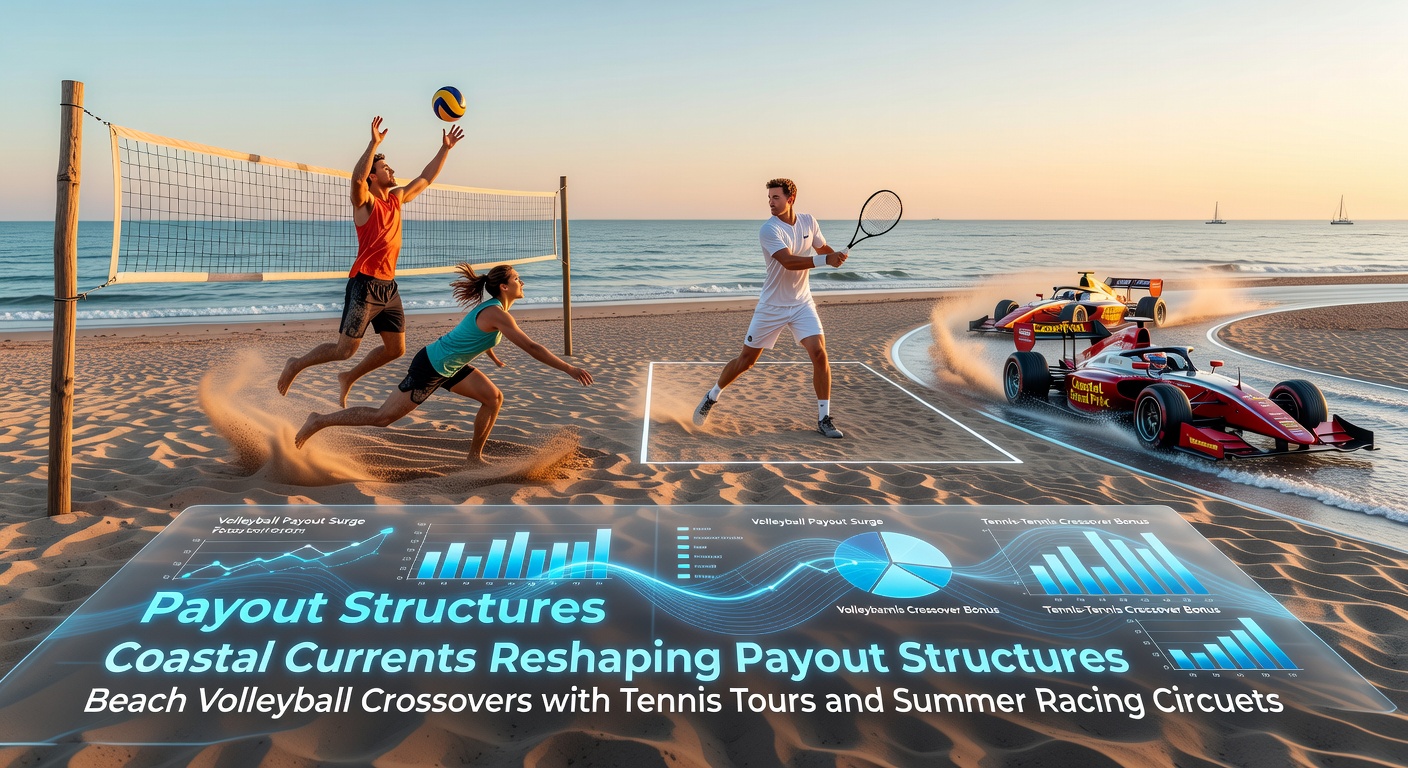
Coastal venues host overlapping schedules in May 2026 that connect beach volleyball tournaments with tennis exhibitions and nearby racing circuits, and operators adjust payout structures to accommodate combined betting interest across these disciplines. Data from regional tourism boards shows increased attendance at multi-sport coastal clusters in locations such as the Mediterranean and Australian eastern seaboard, where shared infrastructure supports simultaneous events. Bookmakers respond by introducing tiered payout brackets that account for cross-sport participation patterns rather than isolated markets.
Seasonal Scheduling Creates Interconnected Markets
Event calendars place beach volleyball finals near tennis tour stops and harness racing meetings during the same weekends, and this proximity generates new data streams that influence odds compilation. Researchers tracking participation records note athletes who compete in exhibition beach volleyball matches while maintaining tennis tour commitments, which creates measurable correlations in betting volumes. Payout matrices now incorporate these overlaps through adjusted multipliers that reflect joint event exposure instead of standalone risk calculations.
Figures from industry monitoring services indicate a rise in multi-leg bets that span volleyball sets, tennis tiebreaks, and racing distances when events occur within the same coastal zone. Operators recalibrate maximum payout caps on these combined wagers because historical data reveals higher correlation rates than previously modeled. The adjustments maintain house margins while accommodating increased ticket sizes from participants who follow multiple disciplines.
Data Integration Reshapes Risk Assessment
Coastal weather patterns and venue logistics feed into live data feeds that operators use to refine payout thresholds throughout event days. When wind conditions alter beach volleyball rally lengths, for instance, simultaneous effects appear in adjacent tennis match durations and racing track surfaces, prompting real-time recalibrations. Studies compiled by European sports analytics groups demonstrate that these environmental factors produce consistent statistical relationships across the three sports when hosted in proximity.

Payment processing networks report elevated transaction frequencies during these crossover weekends, and the patterns prompt operators to introduce graduated payout scales that unlock higher returns after specific volume thresholds. One analysis from the Australian Institute of Sport Economics found that combined volleyball-tennis-racing tickets increased by measurable percentages in 2025 coastal clusters, leading to updated models that carry forward into 2026 operations. These scales differ from traditional single-sport structures by embedding contingency clauses tied to overall event attendance rather than individual results.
Cross-Sport Participation Trends Drive Structural Changes
Athletes crossing between beach volleyball circuits and tennis tours during summer racing festivals create additional layers of performance data that operators incorporate into payout frameworks. Records from international federations document cases where competitors maintain training regimens across disciplines, which produces observable betting market responses. Payout structures evolve to include performance continuity bonuses that reward consistent results across linked events rather than isolated outcomes.
Regulatory filings from multiple jurisdictions outside the United Kingdom show operators submitting revised payout tables that account for these multi-sport participation rates. The filings reference aggregated transaction data that demonstrates how coastal event clustering alters traditional risk distributions. Observers note that the resulting models distribute liability across correlated outcomes instead of concentrating exposure on single events.
Conclusion
Coastal scheduling overlaps continue to generate measurable shifts in how operators construct payout structures across beach volleyball, tennis tours, and summer racing circuits. The integration of environmental data, participation records, and transaction patterns produces frameworks that treat these disciplines as interconnected rather than separate markets. As May 2026 events unfold, further refinements to these models are expected based on accumulated performance and attendance statistics from the current season.